News for Nur. Stuff that's neat.
Section: Open source
Sunday, November 8, 2026

Bringing the long-dead T-Mobile Sidekick back to life

Posted by Captain Queso on Sunday November 8, 2026 @5:54PM in Open source
from the danger-will-robinson dept.

The Sidekick was a thin client before anyone called it that, and when its servers went dark it became a very nice paperweight. Someone dug the old SDK out of an archive and started poking at DangerOS, which is exactly the kind of pointless, delightful archaeology this category exists for. Mind the bits about the Java-based OS and what survives of it.

A hobbyist recounts reverse engineering the Danger Hiptop, sold as the T-Mobile Sidekick, two decades after it launched. With the backend that held everything long shut down, the work starts from a surviving SDK and device simulator and digs into how DangerOS ran and what can still be made to work.

Full Linux, with an MMU, on the new ESP32-S31

Posted by Captain Queso on Sunday November 8, 2026 @12:55PM in Open source
from the microcontroller-with-ambitions dept.

The line between a microcontroller and a real SoC just got blurrier: the ESP32-S31 is RISC-V with a proper MMU, so this is the real kernel rather than the no-MMU compromise. Nobody is going to compile a browser on it, but a cheap Wi-Fi board running a 6.x port is exactly the kind of toy that ends up in a hundred weekend projects. Watch for the Espressif repo to grow a community.

Hackaday notes that Espressif's dual-core RISC-V ESP32-S31, with Wi-Fi 6 and a memory management unit, can boot a full Linux kernel. An official repository and a 6.x kernel port exist, and development boards are already cheap enough to tinker with, though performance will be modest.

OpenBSD's top learns to show who has pledged what

Posted by Captain Queso on Sunday November 8, 2026 @6:54AM in Open source
from the Q-lifts-the-shroud dept.

A small commit, very much in the OpenBSD house style: instead of a sprawling security dashboard, one new key in top that shows which processes have pledged, unveiled or chrooted themselves. The nice part is that it makes privilege-awareness visible at a glance, so unhardened daemons stand out on a running system. Tiny change, satisfying idea.

OpenBSD's top(1) gains a new Q flag and key that swaps the time column for a privilege column, showing pledge promises and state letters for chroot and unveil use. The aim is to spot quickly which programs restrict themselves and which do not.
Saturday, November 7, 2026

Alpine Linux moves into a Kindle Paperwhite

Posted by Captain Queso on Saturday November 7, 2026 @5:53PM in Open source
from the read-the-fine-kernel dept.

Every e-reader is a little Linux box with a locked door, and this project takes the door off its hinges. A jailbroken Paperwhite 3 gets an Alpine userspace, games, a browser, an arXiv client and even a tiny local language model that types out its thoughts at a stately pace. Very much the old spirit: old hardware, cheap on the second-hand market, and nothing leaving the device.

A hobbyist distro gives the seventh-generation Kindle Paperwhite an Alpine Linux userspace on top of Amazon's old kernel, with a custom front end and a bundle of apps. It needs a jailbreak but can be reverted to stock.

An IRC network on port 0, and the strange neighbours found there

Posted by Captain Queso on Saturday November 7, 2026 @12:55PM in Open source
from the there-is-no-port dept.

Late-90s energy in pure form: someone put an IRC network on a port every tool refuses to touch, then scanned the whole IPv4 space to see who else was squatting there. The gap between what the socket API allows and what the wire allows is the whole joke, and the trick. The scan turns up a few residents who probably ought to be somewhere else.

Port 0 is normally just a request for the kernel to pick any free port, but nothing in the TCP header stops a packet addressed to it. The author ran an IRC network there, then surveyed the internet's port 0 and found other services hiding in the same blind spot.

The goat emoji is valid 8086 machine code, and so are its friends

Posted by Captain Queso on Saturday November 7, 2026 @7:04AM in Open source
from the nanny-nanny-nop dept.

Someone noticed that the UTF-8 bytes for a goat decode on an 8088 into a locked flag load followed by two NOPs, which is to say they run and do nothing, harmlessly. From there it is a short, deranged hop to whole programs spelled in emoji. The proper old-school spirit: no point to it at all, beyond the joy of finding out.

Hackaday covers a discovery by GloriousCow that the byte sequence for the goat emoji forms harmless instructions on the original 8086 and 8088 processors. The trick extends to other emoji, making it possible to build executable programs written entirely in them.
Friday, November 6, 2026

A brand new Nintendo 64 cartridge, box and manual included

Posted by Captain Queso on Friday November 6, 2026 @5:43PM in Open source
from the blow-on-the-contacts dept.

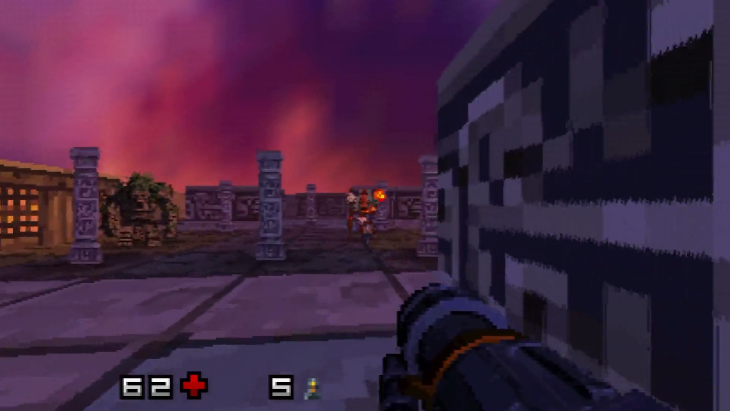
Someone shipped a physical N64 game in 2026, and the cheat underneath is the best part. The engine only understands 2D, so the levels simply have no elevation and it never learns about the third dimension. That is the sort of lie the old console programmers would have respected. Sixty frames a second on hardware with 4 kB of texture memory is no small thing either.

Dominic Szablewski has written up the making of Xibalba 64, a first-person shooter sold on a real cartridge. It grew out of a demo for his MIT-licensed engine, high_impact, and supports co-op for two and deathmatch for four.

A GNU Mes maintainer on the awkward business of actually releasing

Posted by Captain Queso on Friday November 6, 2026 @5:42PM in Open source
from the turtles-all-the-way-down dept.

Mes exists for one of the most stubbornly idealistic goals in free software: building the whole toolchain up from something small enough to audit. What makes this post good is the confession, not the changelog. A researcher admits that proving an idea can work comes easily, and handing people a finished release does not.

Ekaitz Zarraga writes about GNU Mes 0.28, the first release he has made as a co-maintainer, in his long-running series on speeding Mes up. He reflects on his habit of moving on after the research part, with the RISC-V bootstrap on Guix as his example.

A moody desert landscape squeezed into 256 bytes of x87

Posted by Captain Queso on Friday November 6, 2026 @12:41PM in Open source
from the bytes-the-dust dept.

Proper demoscene stuff: a procedural landscape with an accidental moon, made for Outline 2026 and fitted into less space than this paragraph. The write-up is the treat, with Forth pressed into service as a stepping stone because it maps so neatly onto the x87 stack. Note the render time on period-correct cycles. Patience was a feature in 1994.

A 256-byte DOS production for the Outline 2026 demoparty draws a stylised landscape in 32-bit colour using oscillators on the x87 FPU. Its author explains how an old p5.js sketch became a Forth prototype and then a tiny real-mode program, which takes around 13 minutes to render at 286-era DOSBox speed.

KoaOS, a headless Unix-like shell for one small LoRa board

Posted by Captain Queso on Friday November 6, 2026 @6:41AM in Open source
from the serial-killer-app dept.

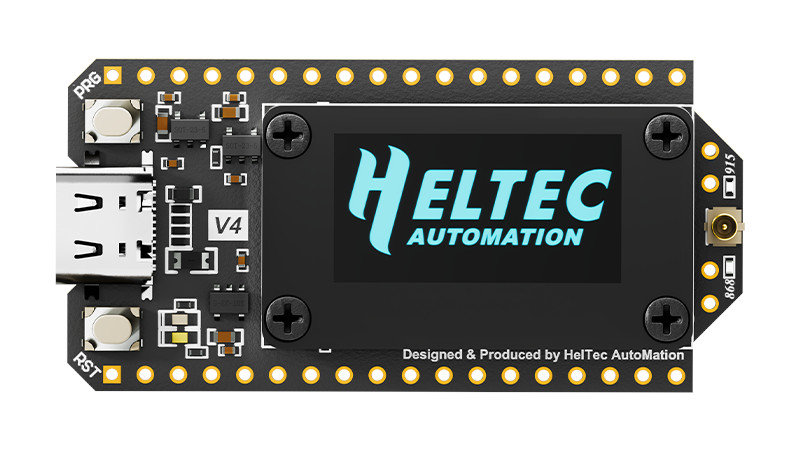
No screen, no touch, just a serial port and a shell, which is to say the correct way to meet a computer. Someone looked at an ESP32-S3 and decided what it needed was an editor, GPS, weather and APRS, plus installable apps in C. The single supported board is the very late-90s price of doing it for fun.

KoaOS is a small operating system for the ESP32-S3 on Heltec's WiFi LoRa 32 V4, driven entirely through a serial terminal over USB. It offers a Unix-like shell with bundled apps, and programs written in C can be installed and removed over the network.
Thursday, November 5, 2026

DOOM runs on a dirt-cheap toy camera, and the firmware is the real prize

Posted by Captain Queso on Thursday November 5, 2026 @5:43PM in Open source
from the point-and-shoot dept.

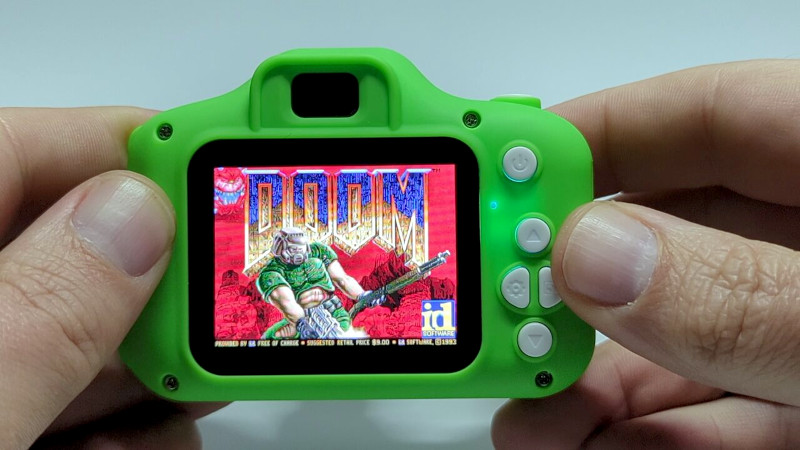
Yes, it runs DOOM, and no, that is not the interesting part. Dumping the camera's memory out through photo metadata is the sort of trick that makes you sit up, and it turns a sealed bit of landfill into a documented platform. Probably a better console than camera, as the write-up concedes.

A hacker known as Spode got into the firmware of a cheap toy camera built around an HX3302B chip, using its easy update path and a trick that wrote memory into the EXIF data of photos. To fit the game he kept only the hottest code in RAM and left the rest in flash, then added a custom synthesiser for the music.

Dragging wasp-os and MicroPython back to life on a PineTime

Posted by Captain Queso on Thursday November 5, 2026 @12:42PM in Open source
from the twelve-kilobytes-ought-to-be-enough dept.

This is the correct response to finding a neglected gadget in a drawer: adopt its orphaned operating system. A dormant project, a maintainer asking for help and a stranger who turns up to do the work is the late-90s spirit in one blog post. Note the budget, about 12 KB of RAM left for apps, and that Python is running there at all.

A Python user group organiser revives wasp-os, a MicroPython watch OS for the cheap and hackable PineTime that had stalled on a 2019 fork. He moves it to mainline MicroPython and tidies the project, working within a 64 MHz Cortex-M4 and 64 KB of RAM.

A laser harp with a tilt sensor, a theremin mode and a fog machine

Posted by Captain Queso on Thursday November 5, 2026 @12:41PM in Open source
from the pluck-of-the-photon dept.

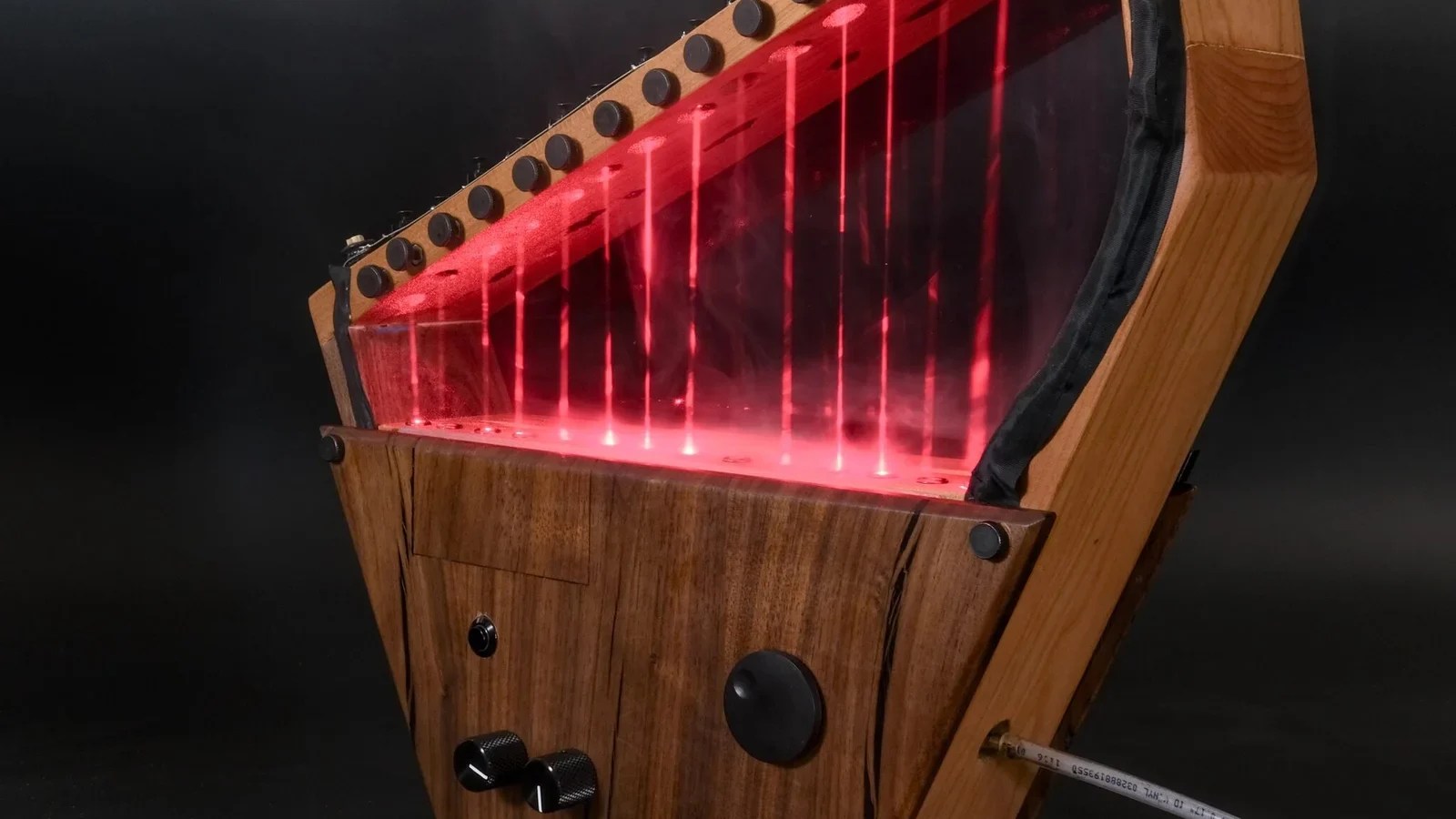
Everyone thinks about building a laser harp and almost nobody does, which makes this one's excess all the more welcome. The detail to enjoy is using photoresistors on purpose, because their sluggishness gives you pluck speed and so dynamics. Then there is the fog machine hookup, which is the only sensible way to make the strings visible.

A maker known as DJ Baja Blast built a harp whose photoresistors read how fast a hand breaks each beam, controlling volume. An accelerometer bends notes, an ultrasonic sensor adds theremin-style control, and a Teensy 4.1 runs Karplus-Strong string synthesis.

The Hackaday retrocomputing winners, led by a wall of vacuum tubes

Posted by Captain Queso on Thursday November 5, 2026 @6:45AM in Open source
from the warm-up-time-not-included dept.

Somebody built an 8-bit machine out of 460 dual triodes, gave it flip digits salvaged from British railway platform clocks, and made it run an airship simulator. This is precisely what the hobby is for. The rest of the list, including a revived West German 4-bit trainer, is a pleasant evening of browsing for anyone who misses front panels.

Hackaday announces the winners of its 2026 Retrocomputing Challenge. The headline entry is a wall-mounted vacuum tube computer with a NOR-based design and 16 instructions; other entries include an emulated Busch Microtronic, a German educational machine built around a 4-bit processor.
Wednesday, November 4, 2026

A second Futamura projection, built for Brainfuck

Posted by Captain Queso on Wednesday November 4, 2026 @5:40PM in Open source
from the compile-the-compiler-compiler dept.

Someone is working through the Futamura projections on a Brainfuck compiler for no reason beyond the joy of it, which is exactly the spirit this category exists for. Partial evaluation is one of those ideas that sounds like a parlour trick until the compiler falls out. Read the earlier instalment first, as the author sensibly insists.

A follow-up to a post that turned a Brainfuck compiler back into an interpreter plus a specializer. Having removed hand-written translations, the author now tackles the cost of re-running the specializer for each program, which is where the second projection comes in.

An ESP32 phone for a toddler that only calls family

Posted by Captain Queso on Wednesday November 4, 2026 @12:40PM in Open source
from the extended-warranty-free dept.

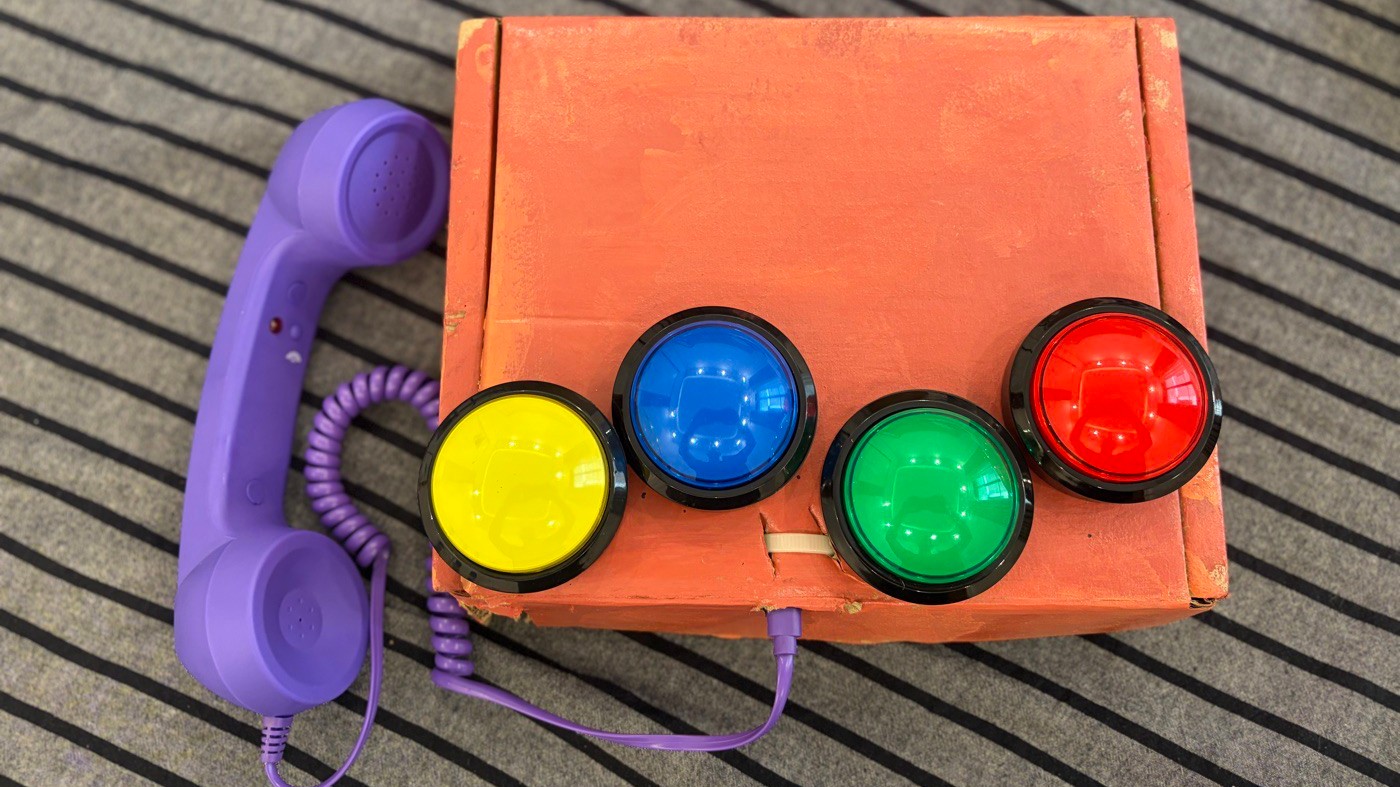
This is the hobbyist spirit at its most charming: a retro handset, a tiny SIP client and arcade buttons in place of a dialling plan. The best touch is that each contact's button lights only when it's a civilised hour in their time zone, which is more scheduling discipline than most calendar software manages. There are no inbound calls either, so the scammers can look elsewhere.

Allan Binder built a phone for his toddler from a retro-style USB handset and an ESP32-S3 running a minimal SIP client over WiFi. Illuminated arcade buttons act as speed dials for family members, and a text-to-speech voice explains when it's too late to call or the network is down.

Jailbreaking a 2014 Renault's navigation unit just to set the clock

Posted by Captain Queso on Wednesday November 4, 2026 @6:39AM in Open source
from the daylight-saving-exploit dept.

Every great hack begins with something absurd and small. Here, a car that apparently insists on a map SD card before it will let you change the time, and an owner who assumed that could not possibly be true. The late-90s spirit lives on in anyone willing to root a head unit over a wrong clock.

The owner of a 2014 Renault Latitude passed on the previous owner's old navigation SD card, doubting the claim that the car needed it to change the clock. It did, and the post follows the effort to break into the head unit in order to fix the time.
Tuesday, November 3, 2026

A decade of bugs in kill, the simplest program on your system

Posted by Captain Queso on Tuesday November 3, 2026 @5:40PM in Open source
from the signal-to-noise dept.

One outage, one suspicious command, and a developer who wouldn't accept that he had simply fat-fingered it. Anyone who has lived near the kernel will enjoy the moment the fifty-year-old utility turns out to be the culprit, and the digging that follows is the fun part.

After a production outage in September, the author of the piece traced the fault to the kill command itself. Following it back turned up a root cause behind a whole series of kill bugs shipped across Ubuntu LTS releases from 14 through 24, with recommendations at the end.

A native Static Radio client for the 2009 Chumby One

Posted by Captain Queso on Tuesday November 3, 2026 @12:44PM in Open source
from the sixty-megs-ought-to-be-enough dept.

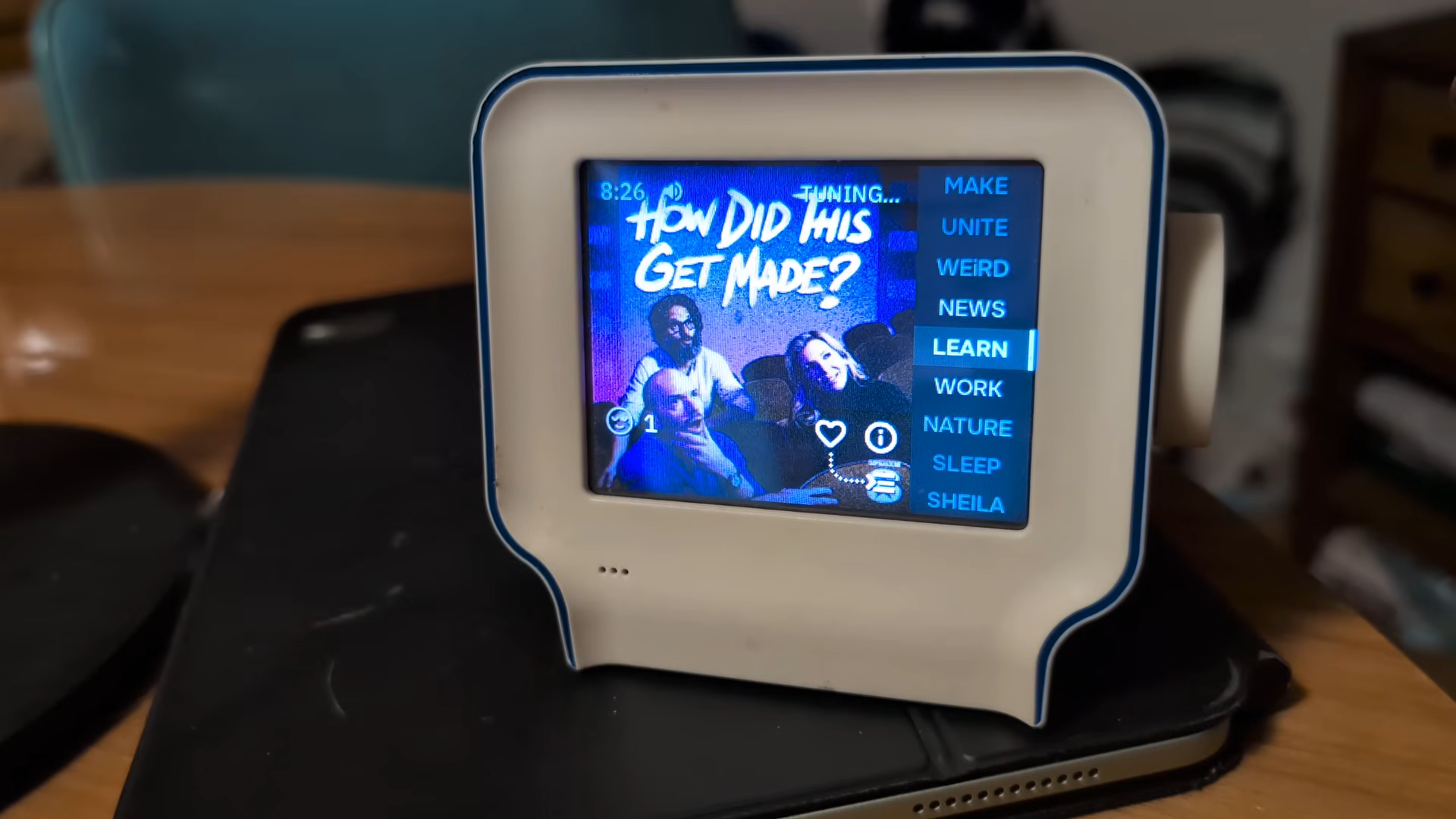
A 454 MHz ARM9 with no FPU, 60 MB of RAM and Linux 2.6.28 is not where most people go looking for a modern internet radio, which is the appeal. The nice detail is the bundled TLS stack, because the stock OpenSSL dates from 2004. Pure late-90s spirit: nobody asked, it was hard, and now there is a little box that works.

Brendan Fitzpatrick wrote a C client that turns an old Chumby One into a dedicated receiver for Static Radio, a station made of podcast content. It boots from a USB stick and leaves the original firmware alone, bringing its own mbedTLS plus fixed-point audio decoding and resampling, with sound going out through ALSA.

Digging the first malloc out of the rescued Unix V4 sources

Posted by Captain Queso on Tuesday November 3, 2026 @6:40AM in Open source
from the core-was-actually-core dept.

The Fourth Edition tape turned up in a storage room last year, and people are now doing what people should do with such a find: reading it for fun. This author follows memory allocation back to a routine sitting in the C compiler's tools, before it had become a tidy library call. Nothing you don't know about allocators, but plenty of pleasure in seeing the ancestor in medieval C.

A blogger reads the 1973 Unix Fourth Edition sources, recovered from a tape found last year, and traces how early Unix programs handled memory allocation, starting with a small routine in the C compiler's optimiser that looks like an early relative of malloc.

Analog Redial, a tiny phone exchange for the rotary dial in your closet

Posted by Captain Queso on Tuesday November 3, 2026 @6:39AM in Open source
from the please-hang-up-and-hack-again dept.

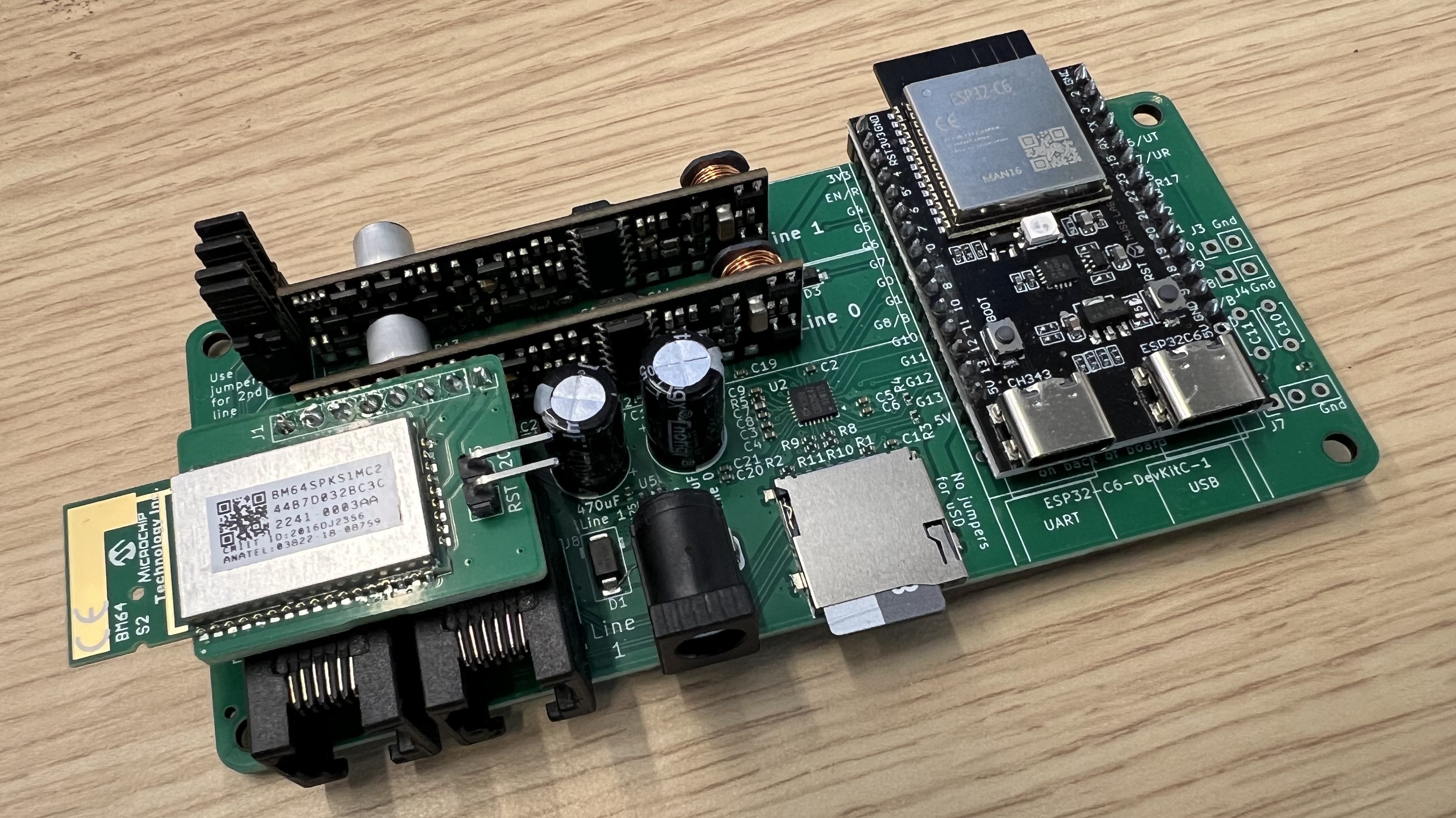
The phone company may have taken the copper away, but a small board with an ESP32 will give an old handset its dial tone back. Scott Dylewski's design handles ringing, calls between two phones, SIP and an answering machine, with dial codes for home automation. Open files, real bells, and the correct sort of pointlessness.

Scott Dylewski's Analog Redial is an open hardware board built around an ESP32-C6 that lets two old landline phones work again, with dial tone and ringing, calls between them or out over SIP, plus answering machine functions and a web interface.
Monday, November 2, 2026

FOSS Comics reaches the beginning of BSD Unix

Posted by Captain Queso on Monday November 2, 2026 @5:40PM in Open source
from the second-berkeley-tape dept.

A comic book history of free software is the sort of thing that should have been handed out with every 1990s install CD. This is the third part of its BSD run, and the fun for someone who knows the story is seeing how it gets drawn. It is a bedtime story for people with opinions about init.

The thirteenth instalment of FOSS Comics, an illustrated history of free software, is part three of its BSD arc and covers how BSD Unix got going. It is a short, drawn retelling rather than a technical account.

A tiny language model that lives in a boot sector and dreams of dmesg

Posted by Captain Queso on Monday November 2, 2026 @5:39PM in Open source
from the 512-bytes-should-be-enough dept.

Set the hype aside and enjoy the hack: hand-written real-mode assembly, int8 weights, and a 386 hallucinating PCI bars for hardware that never existed. It is the same spirit as a demoscene intro, with a kernel log as the demo. Anyone who has read a lot of boot logs will find the output unsettlingly familiar.

This project pairs a 512-byte hand-written master boot record with an 11.5 KB int8 character model stored in the following sectors. It runs in 16-bit real mode with no operating system and generates fake Linux boot logs, having been trained on three megabytes of synthetic dmesg.

Ouros: a graph-reduction processor that runs Haskell on an FPGA

Posted by Captain Queso on Monday November 2, 2026 @12:42PM in Open source
from the lazy-evaluation-in-silicon dept.

Lisp machines get all the nostalgia, but the 80s also had hardware for non-strict functional languages, and it lost for the usual reason: commodity CPUs kept getting faster. Now that they've stopped being so obliging, a PhD student is trying the idea again for the sheer cute of it. The demo comes first, which is how all such talks should open.

A PhD researcher describes Ouros, a combinator-based graph reduction machine that executes Haskell directly, with no software runtime or kernel underneath. The latest work adds input and output and puts the design on an FPGA, where a program talks over a UART, and the post covers the architecture and its limits.