News for Nur. Stuff that's neat.
Section: Birds
Sunday, November 8, 2026

Two cyclists follow a migrating whimbrel from Alaska's Arctic coast

Posted by Captain Queso on Sunday November 8, 2026 @5:56PM in Birds
from the shorebird-and-the-bike dept.

Plotting a shorebird's migration on a map is science; following it on a bicycle is something closer to devotion. An ecologist and an endurance athlete are trying to cover the bird's route over land, which tells you a lot about how absurdly far whimbrels fly. Worth it for the sheer scale of the trip.

University of Alberta ecologist Timm Döbert and his partner, athlete Leanna Carriere, set off by bike from Prudhoe Bay on Alaska's Arctic coast in August to follow the migration route of a whimbrel. The planned ride runs more than 18,000 miles, a measure of just how far these shorebirds travel.

Chasing the great Nutcracker invasion in the Netherlands

Posted by Captain Queso on Sunday November 8, 2026 @12:56PM in Birds
from the sugar-plum-corvid dept.

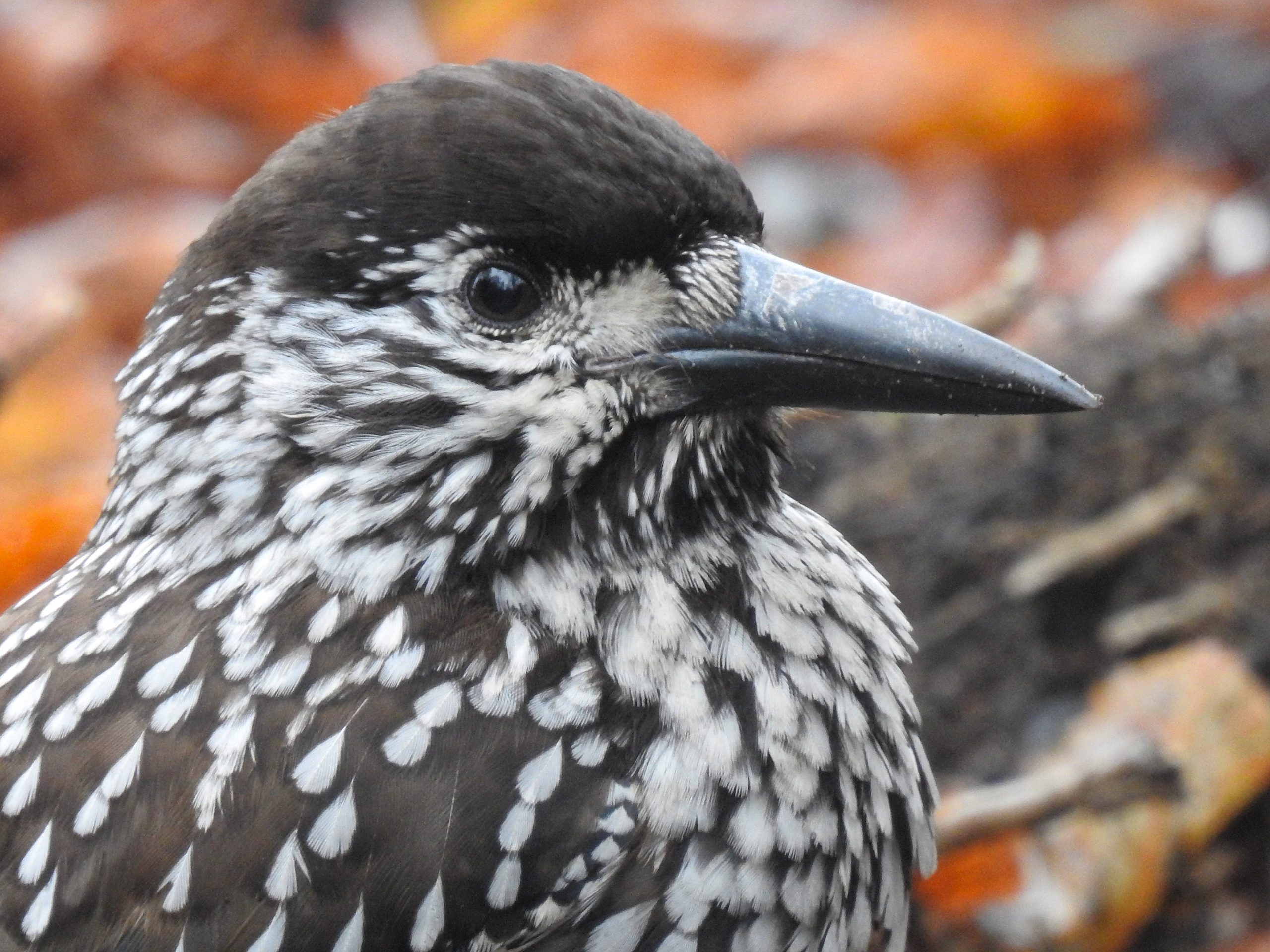
A bike ride across the Netherlands in pursuit of a Siberian corvid is about as Dutch a twitch as they come. Nutcrackers irrupt westward only now and then, so this is a nice first-person account of a rare movement while it is happening. Bonus points for the Tchaikovsky gag, which the author commits to fully.

A 10,000 Birds writer recounts cycling out to De Tempel to catch up with Nutcrackers, part of an irruption that has brought these crows from Russia across much of western Europe this autumn. Expect a cheerful mix of birding diary and ballet puns.

Hunting for a Powerful Owl in Sydney's Botanic Gardens

Posted by Captain Queso on Sunday November 8, 2026 @6:57AM in Birds
from the who-goes-there dept.

Australia's largest owl, roosting in the middle of a city botanic garden, is the sort of thing that rearranges a birder's sense of what an urban patch can hold. This is an archive piece from 10,000 Birds, so no breaking news, just the quiet pleasure of a long-awaited lifer refound after years. Raptor fans, note the prey it tends to carry around at its roost.

A 10,000 Birds writer recalls going looking for a Powerful Owl in Sydney's Royal Botanic Gardens, years after last seeing the species while living in Victoria. Republished from 2018 as part of the site's archive series, it is a short field story about Australia's biggest owl living in plain sight in a city park.
Saturday, November 7, 2026

Crested caracaras turn up in a historic Florida cemetery

Posted by Captain Queso on Saturday November 7, 2026 @5:56PM in Birds
from the grave-matters dept.

The caracara is the falcon that forgot to act like one: long legs, a garish face, happy to stroll about on the ground looking for carrion. Audubon Florida's piece uses sightings in an old cemetery to make a quiet case that heritage green space doubles as habitat. Cemeteries are underrated birding spots, as any solo birder who has worked one at dawn will tell you.

Audubon Florida reports crested caracaras using the grounds of the historic Woodlawn Cemetery. The piece argues that protecting old green spaces like this one also protects perches and open foraging ground for owls, hawks and caracaras.

Splitting, lumping and the shifting count of the world's birds

Posted by Captain Queso on Saturday November 7, 2026 @12:56PM in Birds
from the one-species-or-two dept.

Every birder's life list is quietly at the mercy of the taxonomists, and this is a calm tour of why. The new unified checklist puts the world total comfortably past the round number the blog was named after. Carrion and Hooded Crows make an appearance, as they always do in these arguments.

10,000 Birds looks at how the global species count has grown to more than 11,000 under the new AviList checklist, and why deciding what counts as a species is so tricky. It walks through recent splits and lumps and what they mean for anyone keeping a list.

A magnificent riflebird practises its dance in Papua

Posted by Captain Queso on Saturday November 7, 2026 @7:03AM in Birds
from the shake-a-tail-feather-at-dawn dept.

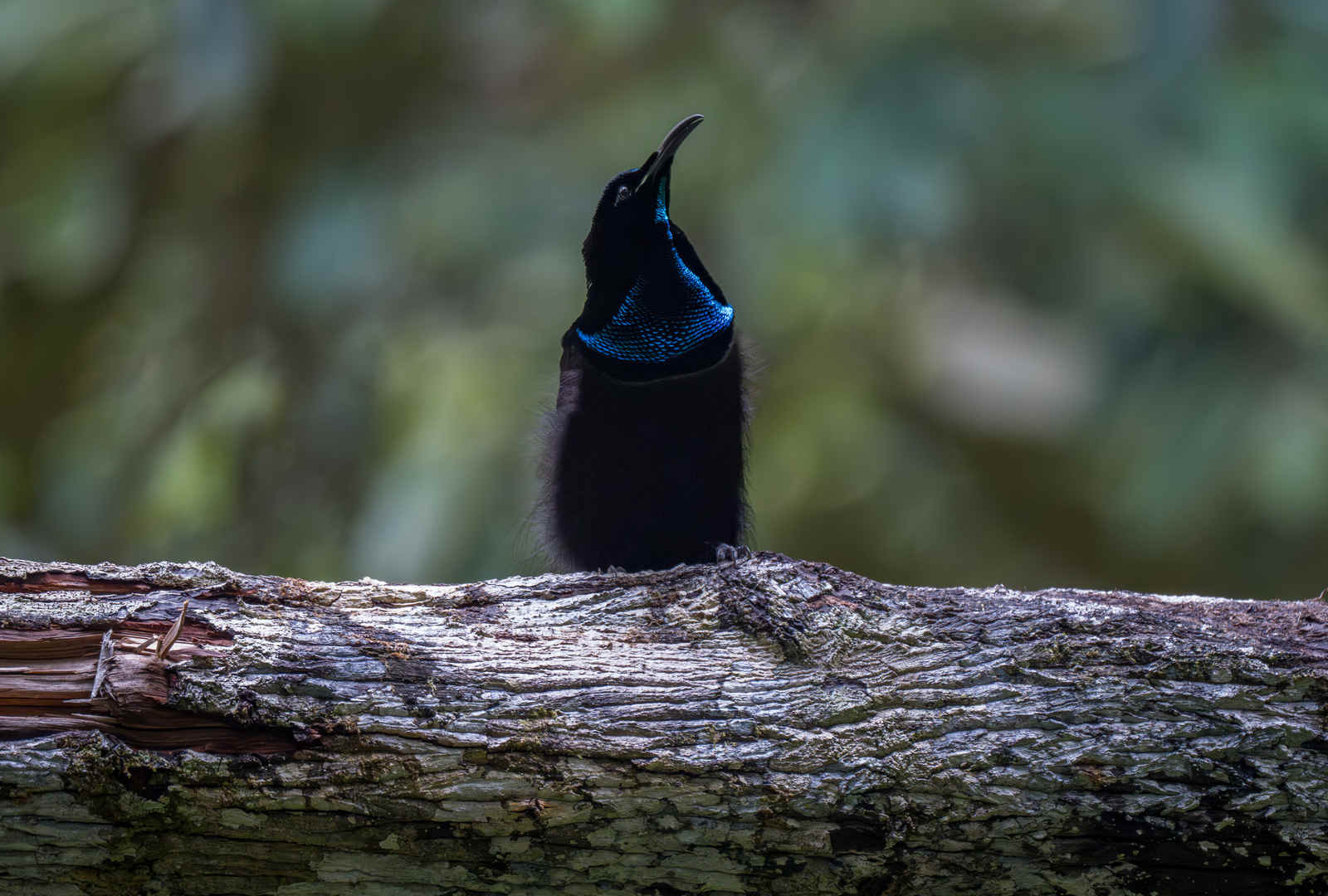
10,000 Birds hands the column over to the bird itself, a male riflebird rehearsing his display on a favourite branch at first light. It's a fun conceit for a species whose courtship is half ballet, half cape-flapping, and the accompanying photo from Nimbokrang shows why the dawn alarm is worth it. Birds-of-paradise are a short hop east of home, and one day the trip will happen.

A species profile of the magnificent riflebird, a bird-of-paradise from New Guinea, written in the voice of a displaying male preparing for his sunrise courtship routine. The photographs were taken at Nimbokrang in Indonesian Papua in October.
Friday, November 6, 2026

Santiago Imberti, a Patagonian guide who likes the next bird best

Posted by Captain Queso on Friday November 6, 2026 @5:39PM in Birds
from the lifer-of-the-party dept.

Ask a guide for a favourite species and you learn something about the guide. His answer is the one he has not seen yet, or failing that whichever one is in front of him, and any birder working alone in Penang will know the feeling. The appeal here is the places he names: deserts, the high Andes and cloud forest.

An interview in the 10,000 Birds series on working guides, this time with a Chilean-based guide who grew up in Patagonia. He talks about his favourite birds and the habitats he likes best.

The black guillemot, a tystie in its Sunday best

Posted by Captain Queso on Friday November 6, 2026 @12:40PM in Birds
from the red-socks-nation dept.

An auk in formal black with white wing patches and, for reasons of pure swagger, bright red feet. It's a long way from Penang, so call this one armchair birding. Worth noting that it swims with its wings, which is the sort of lifestyle choice that makes you reconsider what flight is for, and that this one is posing with its lunch.

Wikipedia's picture of the day shows a black guillemot, also called a tystie, of the subspecies islandicus, holding a common herring. These auks live on rocky North Atlantic and Arctic coasts, nest in crevices and hunt by diving, turning a pale off-white for winter.
Read the rest of this story (Wikipedia Picture of the Day)

Birding the Transpantaneira on the way to the jaguars

Posted by Captain Queso on Friday November 6, 2026 @6:38AM in Birds
from the bonus-round dept.

The stated targets were jaguars and giant otters, with birds billed as a mere bonus, and anyone who's birded knows how that sentence ends. A dusty road through wetland with over a hundred bridges is effectively a very long hide. A pleasant armchair trip for a solo birder a long way from Penang.

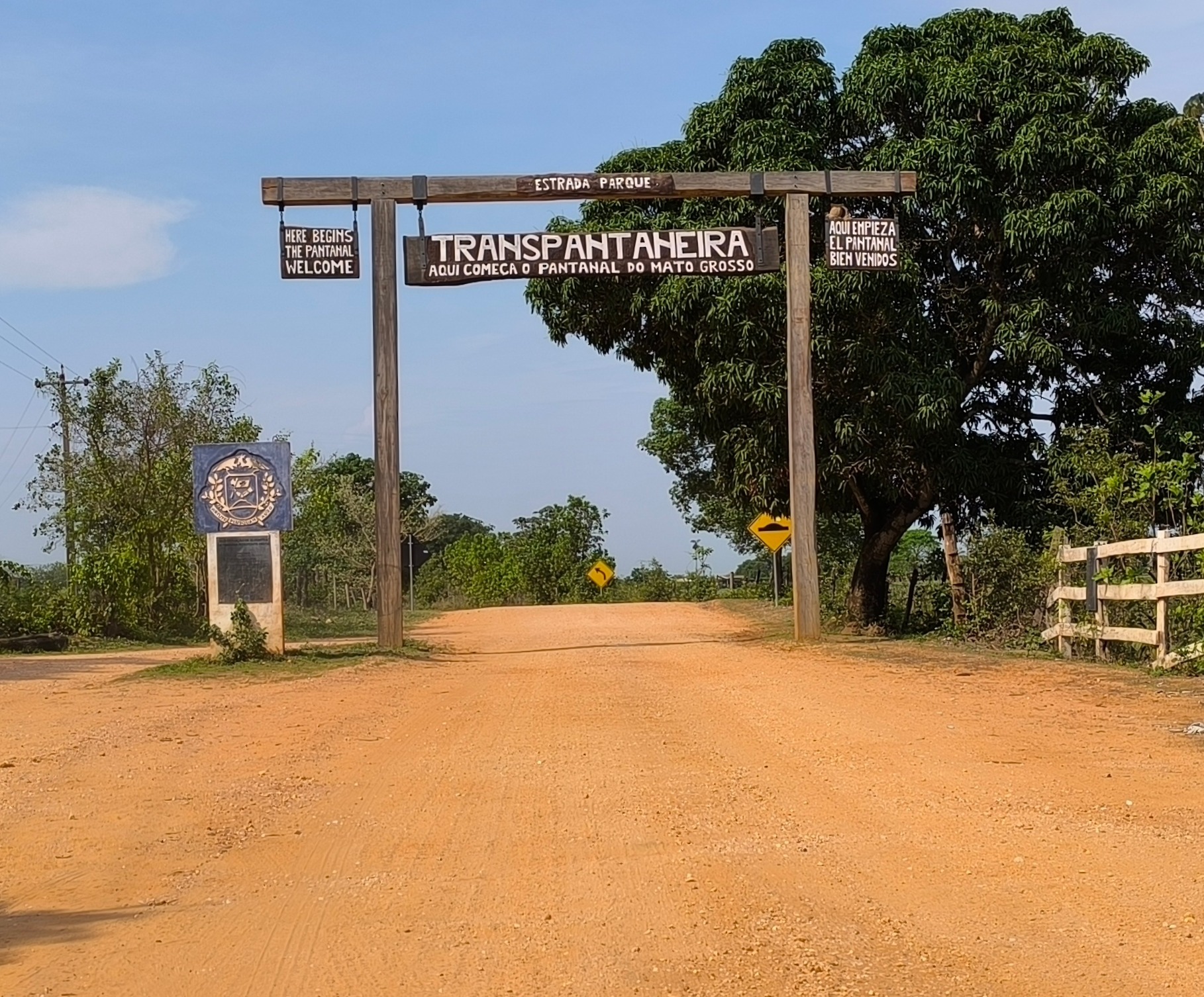
The first part of a 10,000 Birds trip report from Brazil's Pantanal follows the Transpantaneira, roughly 145 km of unpaved road and more than 100 bridges leading to a lodge at Porto Jofre, and the birding along the way.
Thursday, November 5, 2026

10,000 Birds writers confess the species they're embarrassed to like

Posted by Captain Queso on Thursday November 5, 2026 @5:40PM in Birds
from the guilty-plumage dept.

Every birder keeps a short list of unfashionable affections, and the solo ones have nobody to confess them to. Starlings and gulls feature, as does a spirited defence of the cormorant from someone who has read its leg bands from a hide. Good company for a dull patch day.

The site's Ask a Birder series puts one question to several of its writers: which bird do you hate admitting you like? The answers run from cheerful shamelessness about sparrows and starlings to fondness for the widely resented Great Cormorant.

Winter announces itself by ear in a Pakistani backyard

Posted by Captain Queso on Thursday November 5, 2026 @12:44PM in Birds
from the same-time-next-year dept.

No snow, no first frost, just a morning when the soundscape quietly changes hands. Anyone who birds alone in Penang knows the feeling of migrants arriving overnight, and this is the same moment seen from further up the flyway. A small, unhurried piece from someone who pays attention.

Faisal Rehman, a backyard bird-feeding writer in Pakistan, describes how winter reaches his town through new voices rather than weather. Resident sparrows and bulbuls carry on while migrants, ducks among them, appear on water that had been silent.

Julia Rothman turns her sketchbook on birds, feathers and all

Posted by Captain Queso on Thursday November 5, 2026 @6:42AM in Birds
from the illustrated-guide-to-your-insides dept.

A field guide tells you what you are looking at; this one tells you what is going on inside it. The reviewer, a longtime fan of her work, still found facts that were new, which is a decent recommendation from that crowd. Good company for a rainy Penang morning when the mudflats are off the table.

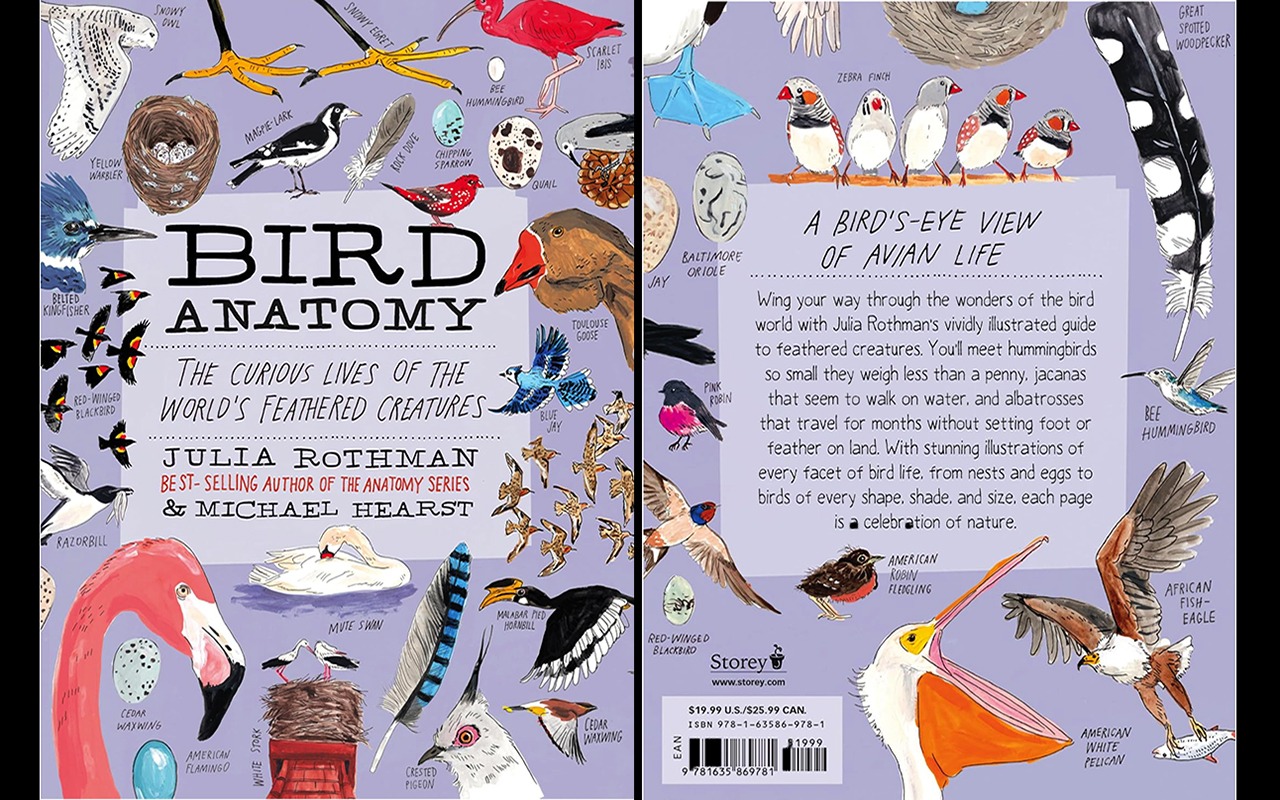
10,000 Birds reviews Bird Anatomy: The Curious Lives of the World's Feathered Creatures, an illustrated book by Julia Rothman. The reviewer praises its whimsical but accurate artwork, how easily it can be browsed, and its spread of facts about birds around the world.
Wednesday, November 4, 2026

Are crows and parrots really the smartest birds?

Posted by Captain Queso on Wednesday November 4, 2026 @5:43PM in Birds
from the outside-the-puzzle-box dept.

Audubon asks the question corvid fans would prefer left alone. It opens with Kelsey McCune building a puzzle box out of a log for her doctoral work, which is a fine way to learn who in the forest is paying attention. Worth reading with the local Penang mynas in mind, who have opinions on the matter.

An Audubon magazine piece on avian intelligence and whether the usual champions deserve the title. It starts with behavioural ecologist Kelsey McCune, who went to corvids for her Ph.D. at the University of Washington and made a puzzle box from a log.

The Ghana cuckooshrike turns up after 13 years, in Taï National Park

Posted by Captain Queso on Wednesday November 4, 2026 @12:44PM in Birds
from the point-and-shoot-first dept.

A lost bird recovered by the oldest trick in the solo birder's book: fire the shutter, sort out what you saw later. One fellow tracked the bird's movements aloud while the other got the identifying frame before she had properly laid eyes on it. Anyone who has chased something skulking through a Penang canopy will recognise the method.

Two field fellows with the International Bird Conservation Partnership photographed the orange-bodied Ghana cuckooshrike in Côte d'Ivoire's Taï National Park, the species' first confirmed sighting in 13 years. The photographer says the camera did the identifying, because shy forest birds rarely allow a close look.

Starting a 70-day Micronesian bird crossing in Palau

Posted by Captain Queso on Wednesday November 4, 2026 @6:41AM in Birds
from the small-islands-big-list dept.

Eighteen endemics on about 460 square kilometres of land is a ludicrous return on real estate, and the sort of arithmetic a Penang birder can appreciate. Palau is just over the horizon from the usual Southeast Asian circuit, and this is the first leg of a long west-to-east trip, so more should follow.

The opening instalment of a 70-day trip across Micronesia, with photographs from Palau taken in March 2026. The republic spreads about 460 square kilometres of land across some 340 islands, yet holds eighteen endemic bird species.
Tuesday, November 3, 2026

The Colombian flycatcher that eats from the hand

Posted by Captain Queso on Tuesday November 3, 2026 @5:41PM in Birds
from the hand-to-beak dept.

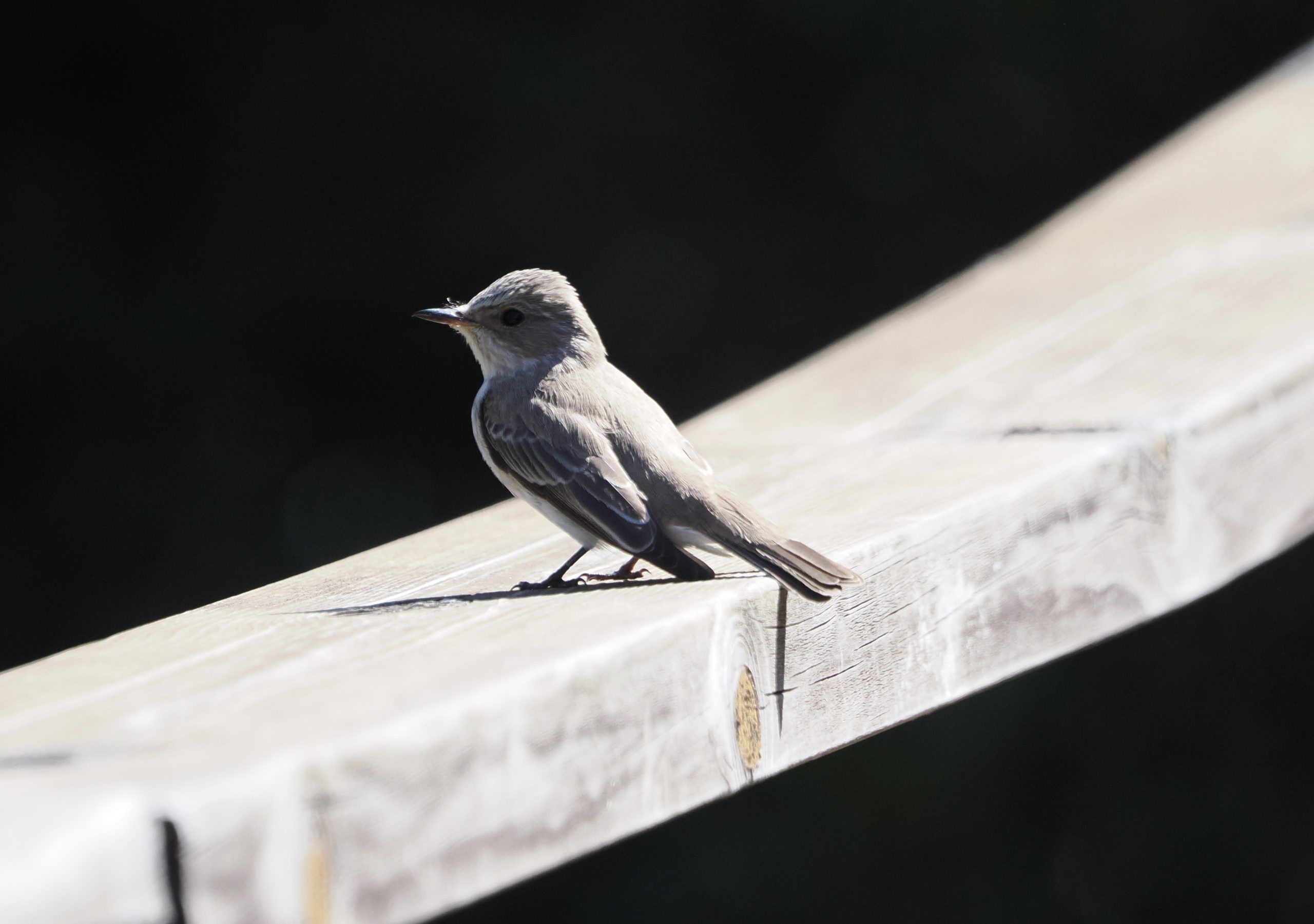
Filed as a lodge profile, but the buried lead is one individual Apical Flycatcher breaking the job description of its entire family. Flycatchers hawk insects on the wing and have no business taking room service, which is what makes this odd behaviour worth the click.

An interview with Yotoco Lodge in Colombia about what draws birders there. The star is a local endemic the staff call Caleño, which as far as they know is the only one of its species that will feed from a human hand.

Raptor-watching season over Singapore, week by week

Posted by Captain Queso on Tuesday November 3, 2026 @12:49PM in Birds · submitted by Nur
from the kettle-on-the-boil dept.

Nur handed this one in himself, with the reminder that the same river of birds passes over Penang, which makes it less a foreign travel piece than an advance schedule. The useful part is the calendar: honey buzzards first, then the rest, with Himalayan Vultures as the big closing act. Find a hill, bring a neck that forgives you.

A week-by-week guide to the autumn raptor passage through Singapore, running from the first Crested Honey Buzzards in late September to Himalayan Vultures in December, with swifts and swallows included. It names high spots such as Bukit Timah Summit and Mount Faber as the places to watch, and notes rarities already seen this season, including a Short-toed Snake Eagle and a Besra.
Read the rest of this story (singaporebirds.com)

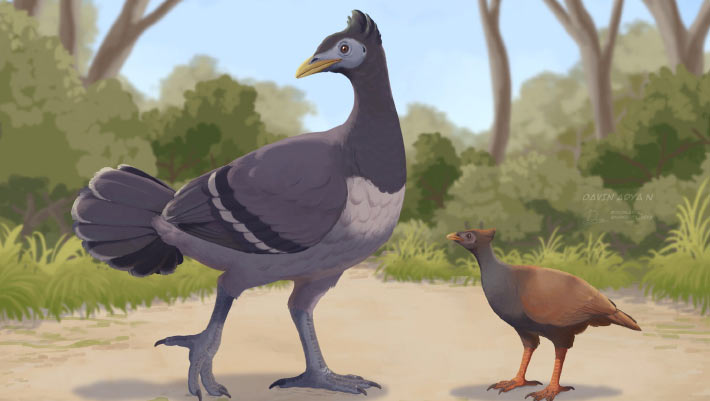
A hefty extinct megapode identified from one leg bone in a Flores cave

Posted by Captain Queso on Tuesday November 3, 2026 @12:47PM in Birds
from the one-bone-is-plenty dept.

An Indonesian bird, a fossil, and the island better known for its small hominins, so this was never going to stay in the Dinosaurs pile. Megapodes are already the oddballs of the chicken family, outsourcing incubation to warm mounds of soil. Naming a species from a single fragment takes nerve, and a very good reference collection.

Scientists have described a new extinct megapode, a ground-dwelling relative of the chicken several times heavier than its living cousin. The species, Megapodius rokusi, is known from a single piece of leg bone recovered from a cave on the Indonesian island of Flores.

Golden week on the Shanghai coast: birding the autumn migration holiday

Posted by Captain Queso on Tuesday November 3, 2026 @6:45AM in Birds
from the public-holiday-flyway dept.

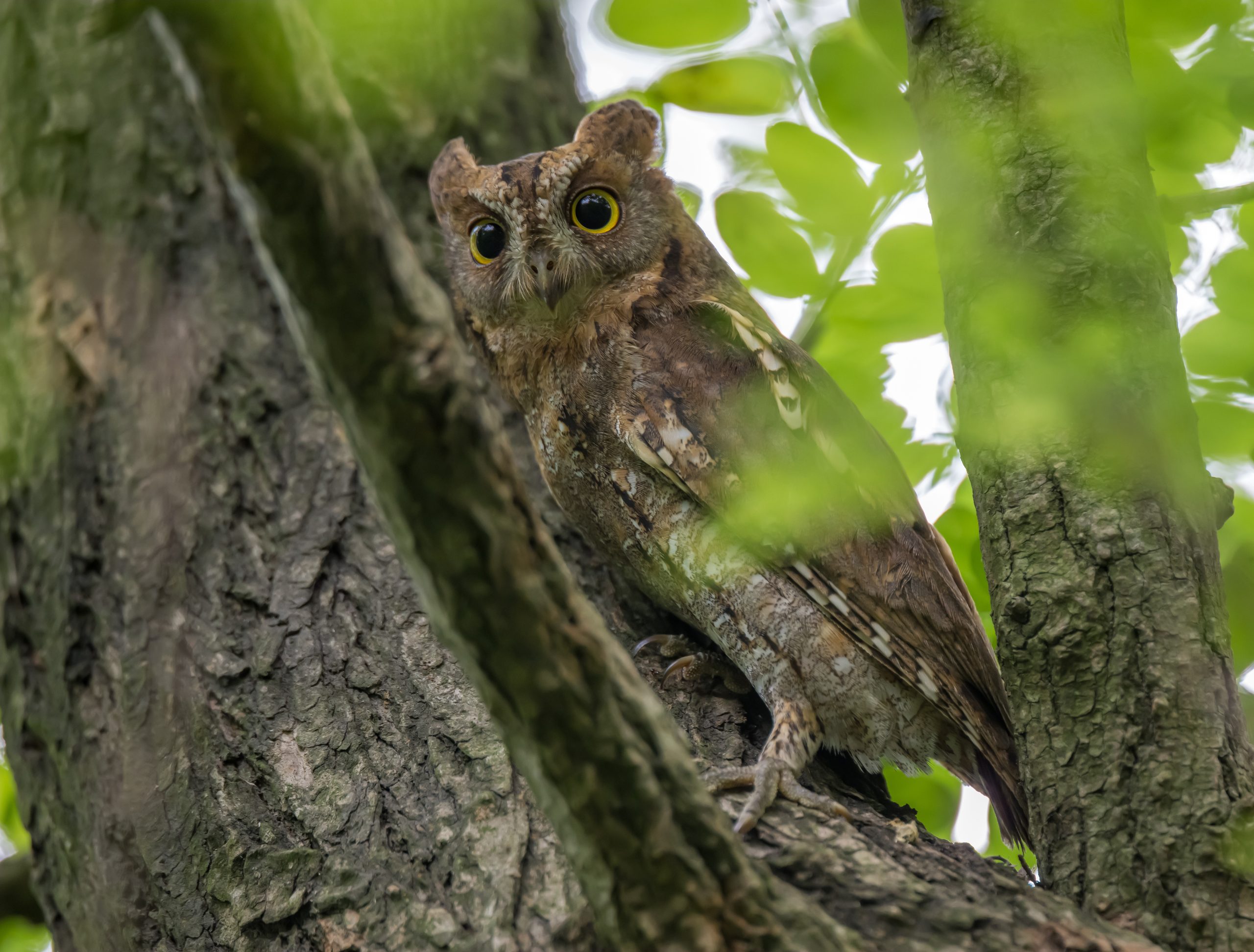
China's national holidays land on both of Shanghai's peak migration weeks, which suits the working birder and rather less the curmudgeon who wanted the mudflats to himself. A fellow solo birder will recognise the complaint. Note the Oriental Scops Owl at the top, doing its best impression of bark.

A 10,000 Birds post from a Shanghai resident on the first days of October, when the national holiday coincides with the height of autumn migration and the local birding spots fill up with people as well as birds.
Monday, November 2, 2026

A volunteer crew in Kansas tails a golden warbler with a secret

Posted by Captain Queso on Monday November 2, 2026 @5:44PM in Birds
from the swamp-canary-confidential dept.

Prothonotary Warblers are about the most improbable yellow you can find in a flooded forest, and Kansas was not always where you went looking. The appeal here is the crew: people on four hours' sleep and a strong handshake, doing fieldwork for love. Solo birders may recognise the condition.

Audubon follows a team of Kansas volunteers working with Prothonotary Warblers at the edge of the species' range, where nest-box monitoring has been building a picture of a growing breeding population. The piece is built around an open question about these birds that the team is trying to answer.

The Malaysian Bird Report's March issue, with raptors and big prey

Posted by Captain Queso on Monday November 2, 2026 @12:40PM in Birds
from the records-committee-will-see-you-now dept.

Closer to home than most of what crosses this desk. The pieces on raptors taking large prey and on pygmy woodpecker identification are the ones for a solo birder in Penang, and the records committee's first-record accounts make for surprisingly gripping reading. It's a free download, so it's a fair thing to have on a phone in a hide.

The March 2026 issue of the Malaysian Bird Report covers call playback, mistletoe and flowerpeckers, raptors with large prey and unusual breeding behaviour. It also carries the MNS-BCC Records Committee report for 2024 and 2025, plus identification pieces on pygmy woodpeckers, godwits and dowitchers.
Read the rest of this story (Bird Ecology Study Group)